Hatch and Habitats Make Money and Expand Your Store
Turn care loops and customer flow into habitat upgrades, more eggs, and a bigger Expo-ready floor.
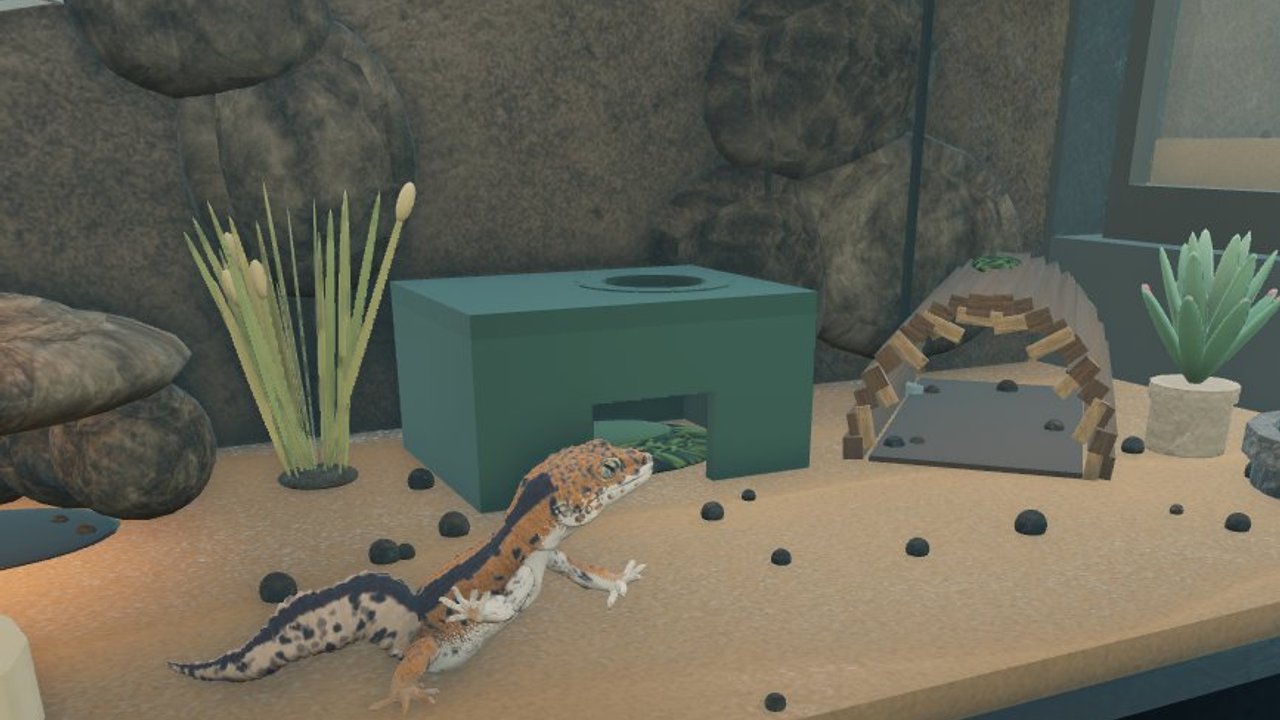
Cash keeps Hatch and Habitats moving. Without it you cannot buy eggs, finish habitats, or expand the shop that makes the simulation / tycoon fantasy work. This guide covers earning from customers and care, upgrade priority when funds are tight, and a practical expansion order so growth does not starve the hatch loop. Read it after Getting Started and alongside How to Hatch Eggs and Build Habitats.
The experience by ToyTando is free on Roblox, early access / in development, often branded [EXPO-EXPANSION] Hatch and Habitats, with online stores on servers of up to six players. Exact dollar amounts change with patches—optimize the order of spending, not a frozen price list.
How money typically enters the store
Expect income to come from living systems, not a single AFK button:
- Care interactions — feeding, cleaning, or other prompts tied to housed reptiles. Animals in assigned habitats are what make care valuable; eggs sitting unhatched do not replace this loop.
- Customer visits / sales fantasy — a readable shop with stocked tanks attracts more activity than an empty pad. Presentation from Build Habitats directly supports this.
- Progression unlocks — tutorials and early quests may drip starter cash so you are never soft-locked on day one.
- Update or Expo rewards — occasional celebration payouts; verify on Updates and Habitat Crew notes rather than random social posts.
There is no substitute for housed, tended reptiles on a navigable floor. If earnings feel dead, audit assignment and care before blaming RNG.
Care-first earning habits
Treat care as your reliable paycheck:
- After every hatch, assign immediately and complete one care action (How to Hatch Eggs).
- Sweep all tanks on a timer—do not only tend the rare showcase animal.
- Keep commons: they multiply care ticks while you chase Legendary Ball Python or Mystic Gecko style highlights discussed on the Tier List.
- Fix broken assignments after moving habitats; relocation can orphan animals in early builds.
A full row of tended commons often out-earns a single neglected trophy during early access.
Customers and shop-floor income
Customers respond to what they can see:
- Entrance clarity — first three tanks clean, lit, and occupied.
- Theme blocks — arid vs humid rows help the store feel intentional.
- Open paths — do not maze customers through décor piles.
- Active care — visible tending sells the idea of a real reptile shop.
Multiplayer matters: on a six-player server, visitors may compare floors. Healthy competition is fine; blocking paths or griefing is not (Players). Use neighboring layouts as free research for what draws eyes.
Upgrade priority when cash is tight
Spend in this order unless a tutorial forces otherwise:
- Habitat capacity — enough slots for every reptile you own or are about to hatch.
- Care efficiency — any upgrade that speeds or multiplies care value.
- Next egg budget — maintain a reserve so the hatch loop never stalls for a whole session.
- Presentation upgrades on visible tanks (substrate, lighting, key props).
- Footprint expansion — more floor when current tanks are full and earning.
- Cosmetic-only spam on back-row WIP areas — last.
Skip to expansion only when capacity and care are already healthy. A bigger empty warehouse earns less than a tight, fully tended boutique.
What not to dump money into early
- Duplicate décor before animals have homes.
- Premium eggs while habitats are full or care is ignored.
- Speculative purchases based on unverified codes (Codes — none confirmed as of November 2026 research).
- Full Expo remodel mid-tutorial before you understand the base loop (Expo Expansion).
Expansion order that scales
Use this staged plan:
Stage A — Starter pad Claim plot, one to two habitats, first hatches, learn care. Goal: positive cash after each short session (Getting Started).
Stage B — Full starter row Fill a clean entrance row with tended animals. Unlock or buy the next habitat slots. Keep an egg reserve.
Stage C — Efficiency Buy care / quality-of-life upgrades. Standardize substrate templates so new tanks deploy faster (Build Habitats).
Stage D — Controlled expansion Add floor space for a second theme block or rare island. Move WIP and hatch utilities to a back corner.
Stage E — Expo polish When Expo Expansion content lands, retrofit entrance and trophy tanks first, then extend themed kits across commons. Check Updates so you do not buy soon-to-be-replaced placeholders.
Stage F — Specialty goals Chase higher shop eggs and showcase layouts informed by the Tier List. Money supports collecting—not the other way around.
Session money plans
Short session (20–30 min): Care sweep → one egg if reserve allows → house immediately → stop. No expansion shopping.
Standard session (45–60 min): Care sweep → hatch one or two → upgrade one visible tank → evaluate expansion only if slots are tight.
Economy catch-up: Ban décor purchases. Tend everything, sell the fantasy with lighting tweaks you already own, rebuild the egg reserve, then revisit priority list.
Expo weekend: Read patch notes, budget for one hero retrofit, keep care income running so you are not broke after shopping the new catalog (Expo Expansion).
Linking money to hatching and habitats
Think in loops, not isolated purchases:
- Cash → egg → hatch → habitat assignment → care → cash.
- Cash → habitat slot → more animals tended → cash.
- Cash → lighting / substrate on entrance → better customer appeal → cash.
- Cash → expansion → more loops in parallel → cash.
Breaking the loop (all cash into vanity, zero eggs, empty tanks) is the usual soft-fail. Repair by returning to care and capacity.
Tracking progress without spreadsheets
Simple mental KPIs:
- Animals housed / animals owned should stay at 100%.
- Egg reserve — at least one purchase ready when you log in.
- Entrance row occupancy — no blank frames facing the door.
- Upgrade backlog — know the next item on the priority list before you open the shop.
If a KPI slips, fix that before novelty spending.
Free-to-play mindset
Hatch and Habitats is free on PC, mobile, and console via Roblox. Optional paid products may appear in UI; treat them as accelerators, never as requirements for Stage A–C. Never share account credentials for “money services,” and skip anything that violates Roblox rules (Scripts for cautious community-tool context).
Troubleshooting low income
| Symptom | Check |
|---|---|
| No cash ticks | Are reptiles assigned and cared for? |
| Customers ignore you | Is entrance dark, empty, or blocked? |
| Broke after shopping | Did décor beat capacity and egg reserve? |
| Cannot expand | Finish Stage B–C efficiencies first |
| Patch confusion | Read Updates / Expo guide before remodeling |
Related reading
- Guides Hub
- Getting Started
- How to Hatch Eggs
- Build Habitats
- Expo Expansion
- Tier List
- Codes
- Updates
- Players
Make money like a shop manager: tend stock, present it well, reinvest in capacity, then grow the floor. Expo polish and rare hatches feel better when the cash loop is already healthy.
Frequently Asked Questions
Quick answers about hatching, habitats, and your store.
How do you earn cash in Hatch and Habitats?
Primarily by caring for housed reptiles and running a readable store that attracts customer activity. Tutorials, progression, and occasional update rewards can help, but tended habitats are the reliable loop.
What should I buy first with limited money?
Habitat capacity and care efficiency first, then keep a reserve for the next egg, then upgrade visible tank presentation. Expand the footprint only after current slots earn steadily.
Should I expand my store early?
Not until your starter row is full, animals are tended, and you have an egg reserve. A larger empty floor usually earns less than a compact, active shop.
Do promo codes give free money?
Check the Codes hub for current status. As of November 2026 research no confirmed public promo codes were found—do not trust invented strings from unverified lists.
How does Expo Expansion affect earning?
New décor and content can improve presentation and goals, but the care-and-capacity loop stays central. Budget Expo shopping so you do not wipe your egg and care reserves.